










AI-Built Software Clones: What Changes Now
In early October 2026, a single developer released free, open-source alternatives to seven Adobe Creative Cloud apps. A few days later, the same studio shipped... Continue reading
Pratyksh Sharma
October 13, 2026
Every business owner remembers the launch. Fewer remember what comes next.
Launch day is the cheapest part of a software project’s life. Most of the real cost arrives afterward. Someone has to fix bugs, update plugins, add features, and answer the question “can we just change this one thing?”
That question reveals a lot. In well-built software, the answer is “yes, by Thursday.” In poorly built software, the answer is “maybe, but it might break something else.”
We see both kinds of projects at Infyras. The difference rarely comes from the technology. It comes from a handful of decisions made early, often before anyone thinks about maintenance at all.
Software is never really finished. Browsers update. Payment gateways change their APIs. Security patches arrive monthly. Your business adds products, drops services, and enters new markets.
Each of those changes touches your code. If the code is easy to change, the cost stays small. If it isn’t, every change costs more than the last.
We inherited a WooCommerce store once where a simple shipping rule change took three days. The logic lived in four places: a plugin, a theme file, a code snippet, and a database setting. Nobody had documented any of it. The fix itself took twenty minutes. Finding all four places took the rest.
That’s what poor maintainability looks like. The work isn’t hard. It’s hidden.
The first mark of maintainable software is simple. A developer who didn’t write it can read it.
That means descriptive names. A function called calculate_shipping_for_zone explains itself. A function called process2 doesn’t. It means short functions that do one job. And it means avoiding clever tricks that save five lines but cost an hour of confusion later.
Think of it as writing for the next person. That person might be a teammate. It might be you, eighteen months from now, with no memory of why you wrote it that way.
Consistency makes software predictable. When every part of a project follows the same pattern, developers learn the pattern once. After that, they can find things without searching.
Good projects share a few habits:
The opposite is easy to spot. You open a project and find three different ways of handling forms, two different button styles, and a folder called “misc.” Each decision made sense at the time. Together, they create a maze.
This sounds technical, but the idea is simple. Keep different jobs in different places.
Your design shouldn’t live inside your business logic. Your business logic shouldn’t depend on one specific plugin. Your content shouldn’t be hard-coded into templates.
When concerns stay separate, you can change one thing without disturbing the others. You can redesign a page without touching how checkout works. You can swap a payment provider without rewriting your order system.
WordPress projects show this clearly. A site built on a well-structured child theme, with custom functionality in its own plugin, survives updates calmly. A site where everything lives in the theme’s functions.php file tends to break the day someone switches themes.
Most documentation fails because it’s too long, too old, or both. Good documentation is short and current.
You don’t need a hundred-page manual. You need a few things:
The “why” matters most. Code shows what happens. It rarely shows why. A comment like “this discount rule exists because of a 2024 wholesale contract” saves a future developer from deleting something important.
Almost every modern project relies on outside code. Plugins, libraries, frameworks, APIs. Each one is a promise that somebody else will keep maintaining their part.
Some promises are safer than others. Before adding a dependency, ask a few questions:
Abandoned plugins cause some of the most expensive problems we see. A plugin that stops receiving updates becomes a security risk. Eventually, someone has to replace it, usually under pressure and after something breaks.
Fewer dependencies mean fewer promises to track. We keep them lean on purpose.
Fear is the real enemy of maintenance. Developers who fear breaking things stop making changes. Small problems pile up. The software slowly stiffens.
Testing removes that fear. Automated tests check that important features still work after every change. Does checkout still complete? Do forms still send? Does the login still function?
You don’t need to test everything. Start with the paths that make you money: checkout, bookings, lead forms, user accounts.
Safe deployment matters just as much. A staging site lets you test updates before customers see them. Version control records every change and lets you undo mistakes. Backups give you a safety net when something slips through.
With these in place, an update stops being a gamble. It becomes routine.
Maintainable software stays healthy over time. That means two habits: keeping it fast and keeping it patched.
Speed degrades quietly. Each new image, script, and plugin adds weight. Without regular checks, a site that loaded in two seconds at launch takes six a year later.
Security works the same way. Outdated software is the most common way sites get compromised. Regular updates, monitored carefully, close those gaps before attackers find them.
Neither task is glamorous. Both are far cheaper as routine work than as emergency repairs.
The best-maintained software starts with a different question. Instead of “what do we need on day one?”, the team asks “what will we probably want to change?”
You can’t predict everything. But you can predict some things. Prices will change. New product types will appear. A new market will need a new language or currency.
Good developers leave room for those changes. They store settings in an admin panel instead of burying them in code. They build flexible content structures instead of fixed layouts. They avoid assumptions that lock you into today’s business model.
That doesn’t mean over-engineering. It means making the likely changes easy.
You can often spot the problem without reading a line of code. Watch for these signs:
If several of these sound familiar, the software has accumulated what developers call technical debt. Like financial debt, it costs interest. Every change pays a little extra until someone pays down the balance.
The good news: you can often fix it in stages. A full rebuild is rarely necessary. Cleaning up the worst areas, documenting what exists, and adding tests around the critical paths can transform a fragile project without starting over.
If you’re commissioning new software or a website, these questions reveal how a team thinks about maintenance:
A confident answer tells you the team has thought beyond launch. A vague one tells you the opposite.
Easy-to-maintain software has no single secret. It comes from many small habits: readable code, consistent structure, separated concerns, honest documentation, careful dependencies, and a safe way to ship changes.
None of these habits is expensive when you adopt them from the start. All of them become expensive when you try to add them later.
At Infyras, we build with the second year in mind, not just launch day. That means clean structure, documented decisions, and a maintenance plan with monthly updates and backups, so your site stays fast, secure, and easy to change.
The best software isn’t the software that never needs work. It’s the software where work stays small, predictable, and safe.
Tell us about your idea and we'll get back within 24 hours.

Hi, I’m Pratyksh Sharma, the CEO and Founder of Infyras. Don’t hesitate to reach out to me anytime – I’m here to answer all your questions!

Software Design
19 October, 2026
In early October 2026, a single developer released free, open-source alternatives to seven Adobe Creative Cloud apps. A few days later, the same studio shipped... Continue reading
Software Design
11 September, 2026
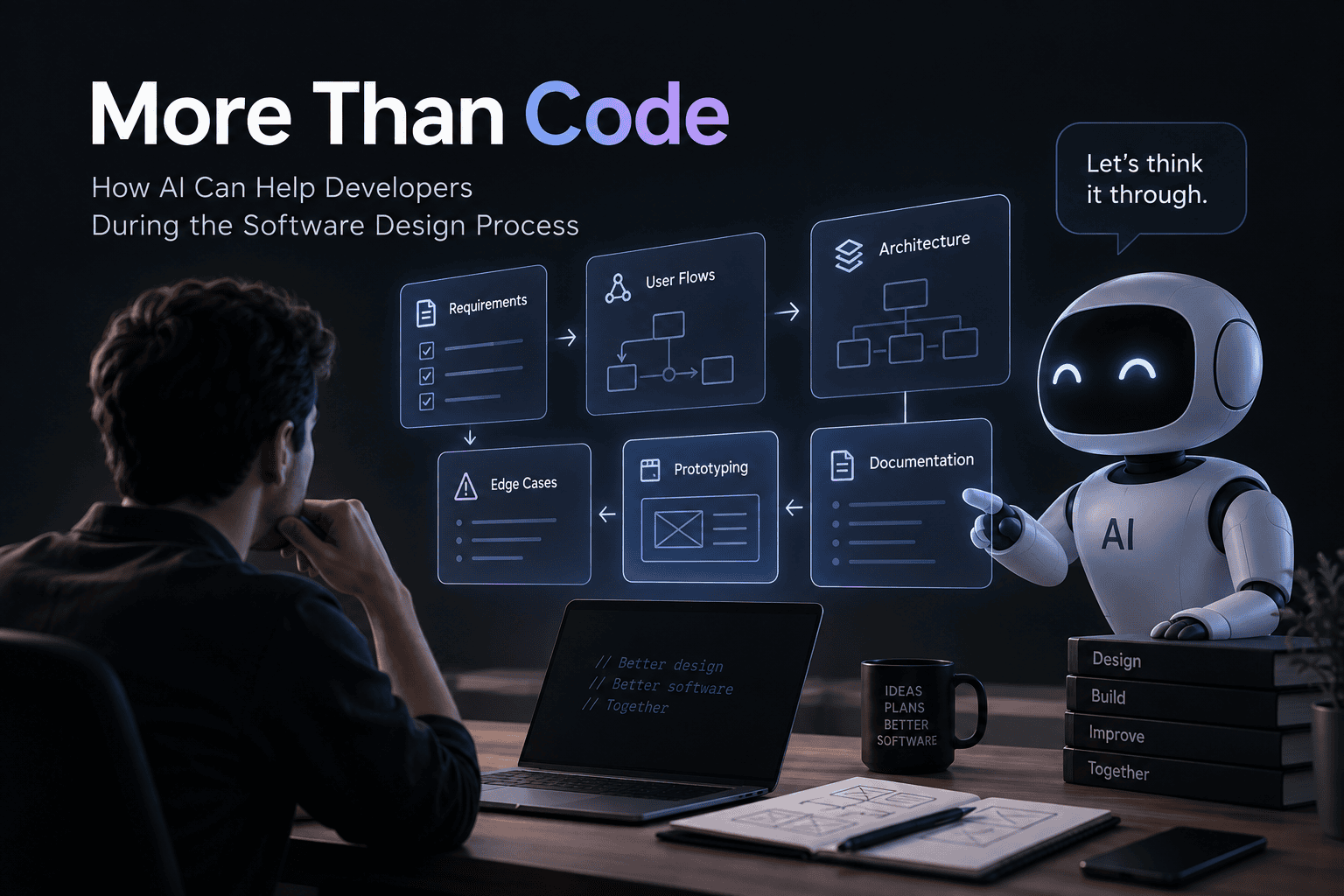
Somewhere in almost every software project, the same question comes up: should this design decision be worked out by hand, or is this a place... Continue reading

Software Design
11 December, 2025
The Recent React/Next.js Attack That Shocked Developers — What Happened & How to Stay Safe (2025 Guide) Overview The JavaScript ecosystem faced a major... Continue reading
From insights to inspiration, we create digital solutions that turn ideas into results. Have a project in mind? Let’s build something that moves your business forward.